

Passenger traffic surges 20pc for Etihad in February amid rapid fleet expansion
Load factor remains steady as UAE airline scales operations worldwide
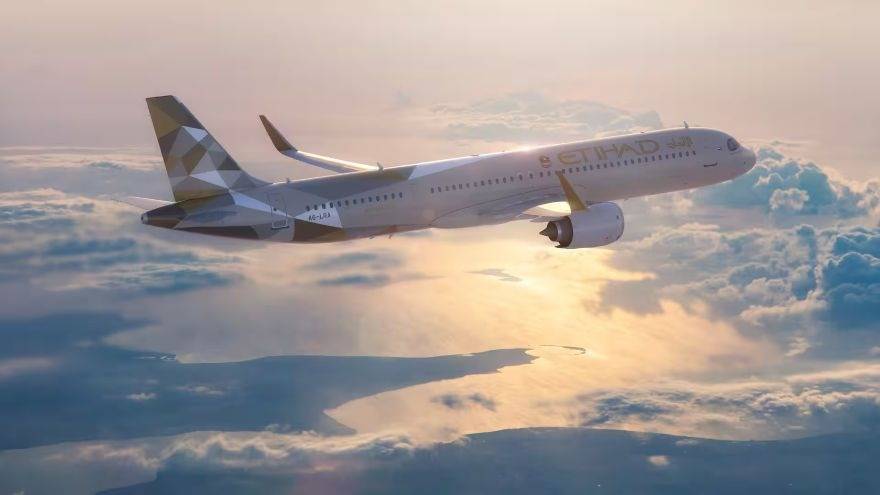
ABU DHABI – Etihad Airways has reported a significant rise in passenger traffic in February 2026, showing continued expansion across its global network and fleet.
The Abu Dhabi-based carrier carried 1.9 million passengers during the month, up from 1.6 million in February 2025, marking a 20 per cent increase year-on-year.
Passenger demand remained robust across the airline’s network, with the passenger load factor recorded at 89.4 per cent, almost unchanged from the 89.5 per cent recorded in the same month last year. The figure highlights consistent demand levels even as the airline expanded its capacity and route network.
The growth in traffic is part of a strong start to the year for the national carrier of the United Arab Emirates, which has been steadily increasing its fleet size and global reach.

Passenger growth
During the first two months of 2026, Etihad carried 4.2 million passengers, compared with 3.3 million passengers during the same period in 2025, representing a 25 percent increase year-on-year.
The airline also recorded a slight improvement in its year-to-date passenger load factor, which rose to 89.7 percent, up from 89.3 percent during the same period last year.
The figures underline sustained demand across Etihad’s expanding network, as the carrier continues to strengthen its presence across key international markets while introducing new routes and frequencies.
Fleet expansion
Etihad’s operating fleet continued to grow significantly over the past year. At the end of February 2026, the airline operated 128 aircraft, compared with 100 aircraft in February 2025, representing an increase of 28 aircraft.
The fleet expansion includes a wide range of aircraft types designed to serve both long-haul and regional routes. The airline’s fleet currently comprises 48 Boeing 787 Dreamliners, 20 Airbus A320 aircraft, 15 Airbus A321 aircraft, 11 Airbus A321LR, 10 Airbus A350, 9 Boeing 777 aircraft, 7 Airbus A380, 2 Airbus A330 aircraft, and 6 Boeing 777 freighters.
According to the airline, the average fleet age stands at 8.3 years, calculated excluding aircraft operated under short-term aircraft, crew, maintenance and insurance (ACMI) leasing arrangements.
The operating fleet count includes both passenger aircraft and freighters, reflecting Etihad’s continued investment in cargo capacity alongside its passenger operations.
Network reach
Alongside its fleet expansion, Etihad has continued to broaden its global footprint. By the end of February 2026, the airline’s network covered 110 destinations worldwide, up from 95 destinations in the same period last year, representing an increase of 15 destinations.
The network figure includes seasonal and cargo routes, as well as destinations scheduled to begin operations within the next 12 months. Of the total network, 92 destinations were actively operated during February.
The continued expansion highlights the airline’s strategy of strengthening connectivity between Abu Dhabi and key international markets across Europe, Asia, Africa, the Middle East and the Americas, while also enhancing cargo routes and seasonal services.